




Interior Design Trends 2026: Materials, Colors, and Styles That Will Shape the Year
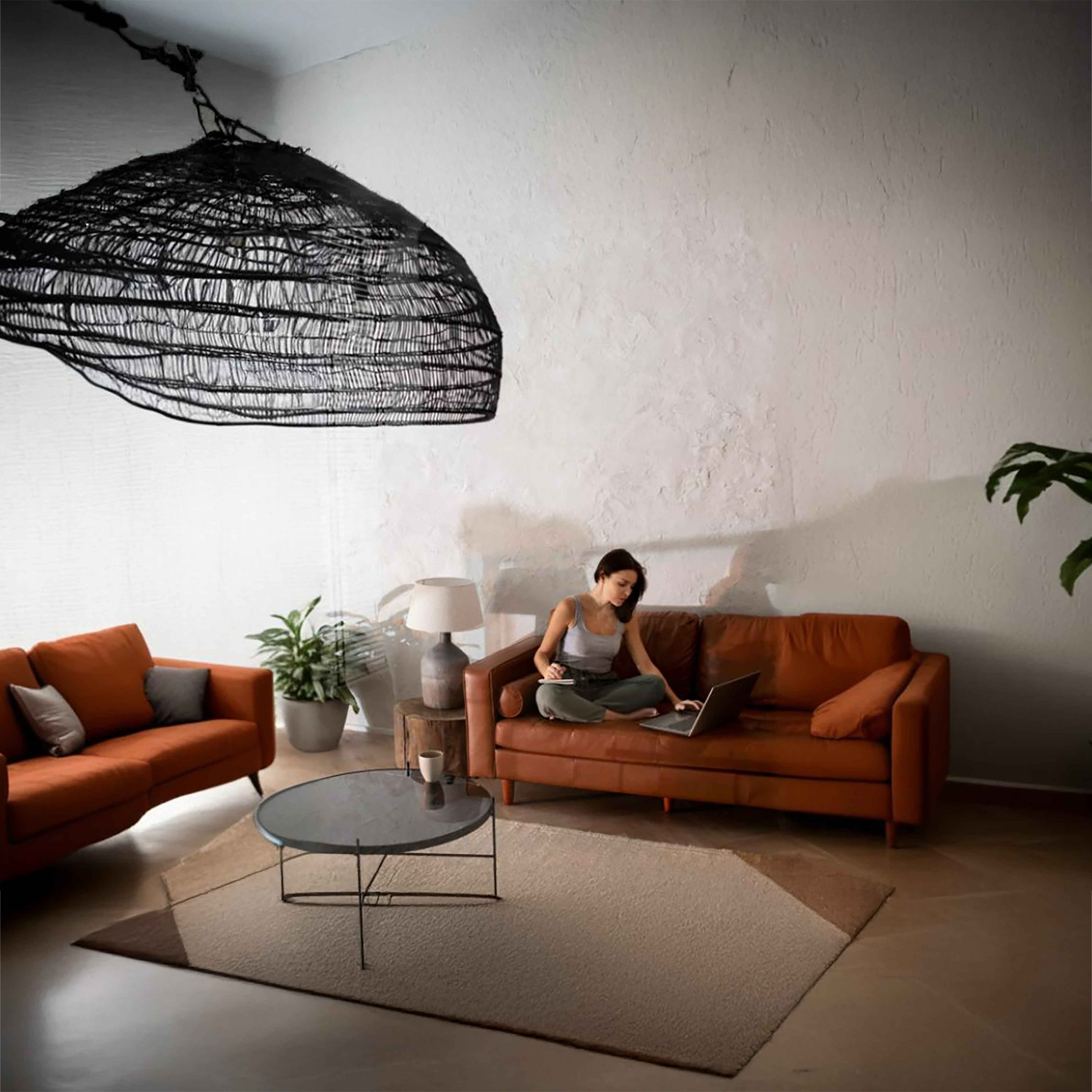
Interior design trends for 2026 reflect a clear evolution toward spaces that are more conscious, functional, and sensory-driven. Interior design moves beyond the purely visual to become a holistic experience—one that responds to well-being, sustainability, and the real ways people inhabit spaces.
Reports from international fairs such as Salone del Mobile, trend studies by WGSN, and color analysis fro Pantone all agree that 2026 will be defined by honest materials, immersive color palettes, and timeless styles that prioritize quality over the ephemeral.
- MaterialsThat Will Define Interior Design in 2026
Mineral and Continuous Surfaces
Mineral-based materials continue to gain prominence due to their durability and timeless aesthetic. In 2026, we will see increased use of:
- Natural stone
- Sintered stone
- Seamless continuous surfaces
These solutions are integrated into kitchens, bathrooms, walls, furniture, and commercial spaces, creating a sense of solidity and permanence.
Architectural Metals and Translucent Elements
Metals are evolving toward more expressive applications, including:
- Metal mesh
- Perforated panels
- Combinations of metal, glass, and lighting
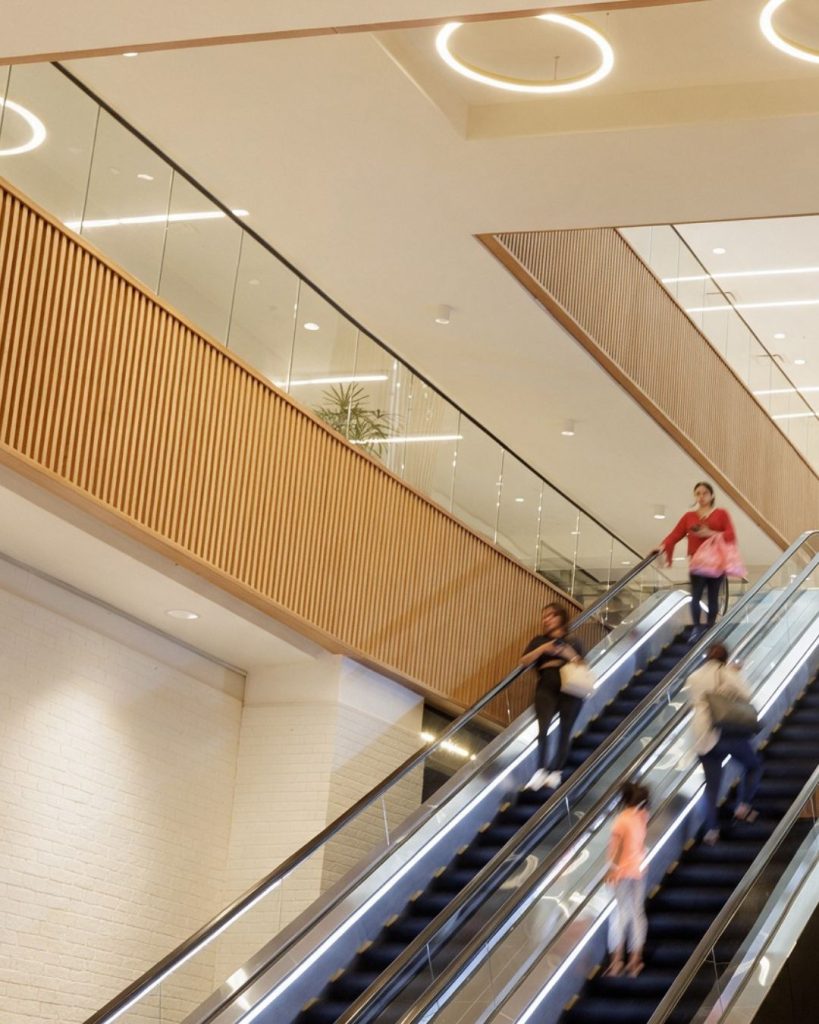
These materials allow for visual filters, lightweight partitions, and dynamic lighting effects, making them especially valuable in hospitality and retail projects.
Natural Wood and Organic Finishes
Wood remains a key material, but with a more organic approach:
- Natural tones
- Visible grain patterns
- Matte finishes
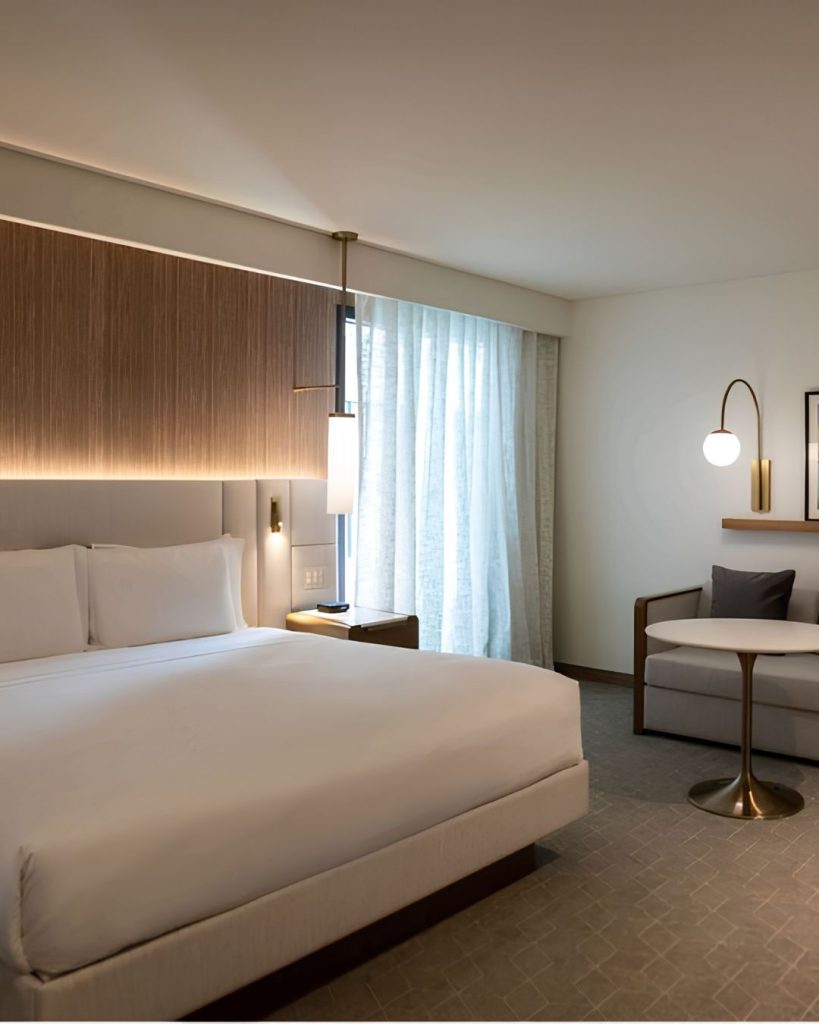
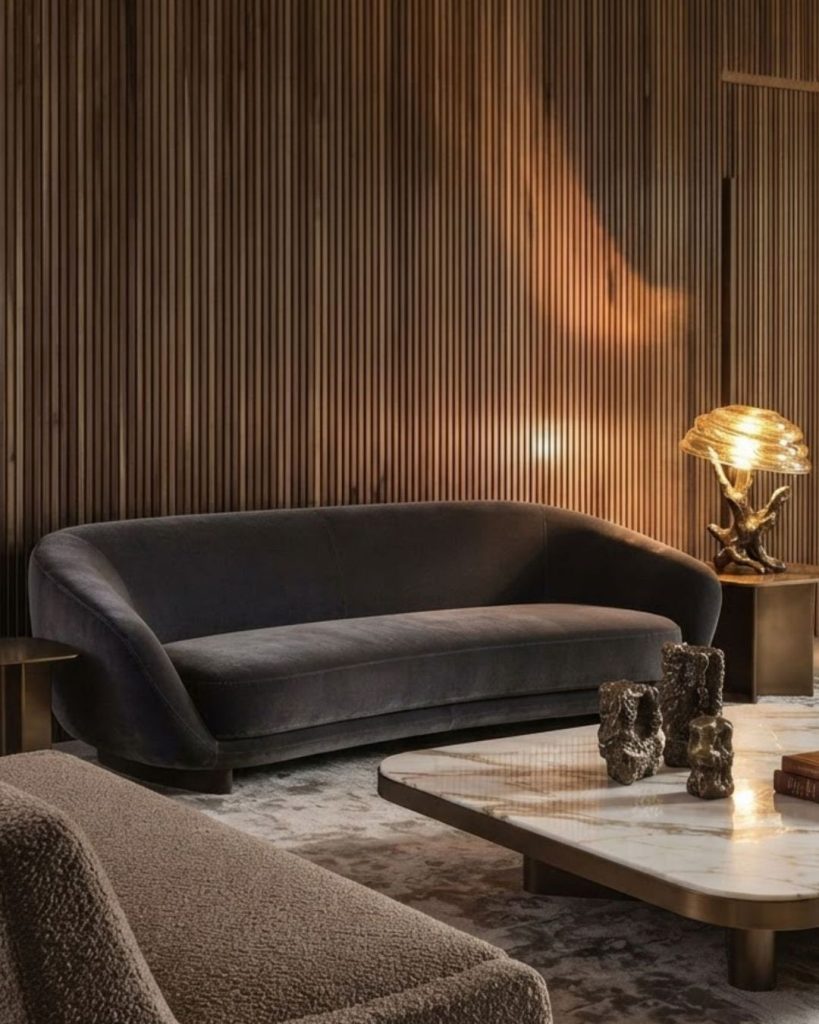
It is often combined with stone and metal to create warm, balanced spaces.
- Color Palettes Trending in 2026
Color palettes for 2026 are inspired by nature and the need to create calm, immersive environments.
Warm Neutrals as a Base

- Sand
- Toasted beige
- Ivory
- Warm gray
These tones serve as a foundation for highlighting textures and materials.
Natural and Deep Colors

- Deep greens
- Soft terracottas
- Mineral blues
- Organic browns
These shades are used in accents, feature walls, and furniture to add depth and character.
- InteriorDesignStyles That Will Define 2026
Redefined Luxury: Subtle and Refined
Luxury is reimagined through subtlety:
- High-quality materials
- Precise construction details
- Clean, timeless spaces
Elegance lies in execution rather than ostentation.
Sensory and Emotional Design
Design appeals to the senses through:
- Tactile textures
- Immersive lighting
- Acoustic and visual comfort
Spaces are designed to be felt, not just seen.
Integrated and Flexible Functionality
Interiors in 2026 adapt to multiple uses:
- Hybrid spaces
- Integrated furniture
- Design focused on everyday living
Functionality becomes an essential part of the aesthetic.
- Lighting:The Protagonist of the Space
Lighting becomes a narrative tool within interiors:
- Indirect lighting
- Dimmable systems
- Lighting integrated into architecture and furniture
It defines atmospheres, movement, and emotional experience.
- SustainabilityApplied to Real Design
Sustainability shifts from discourse to practice:
- Durable materials
- Efficient processes
- Design conceived for long-term use
Real impact is prioritized over superficial trends.
Conclusion
Interior design trends for 2026 point toward more human-centered, sensory, and conscious spaces. Honest materials, natural color palettes, and timeless styles come together to create interiors that go beyond aesthetics and truly support real life.
More than passing trends, interior design in 2026 focuses on creating spaces that endure, adapt, and promote well-being.