




SPC, WPC, and PVC Flooring: How to Choose the Right Option for Commercial and Hospitality Projects
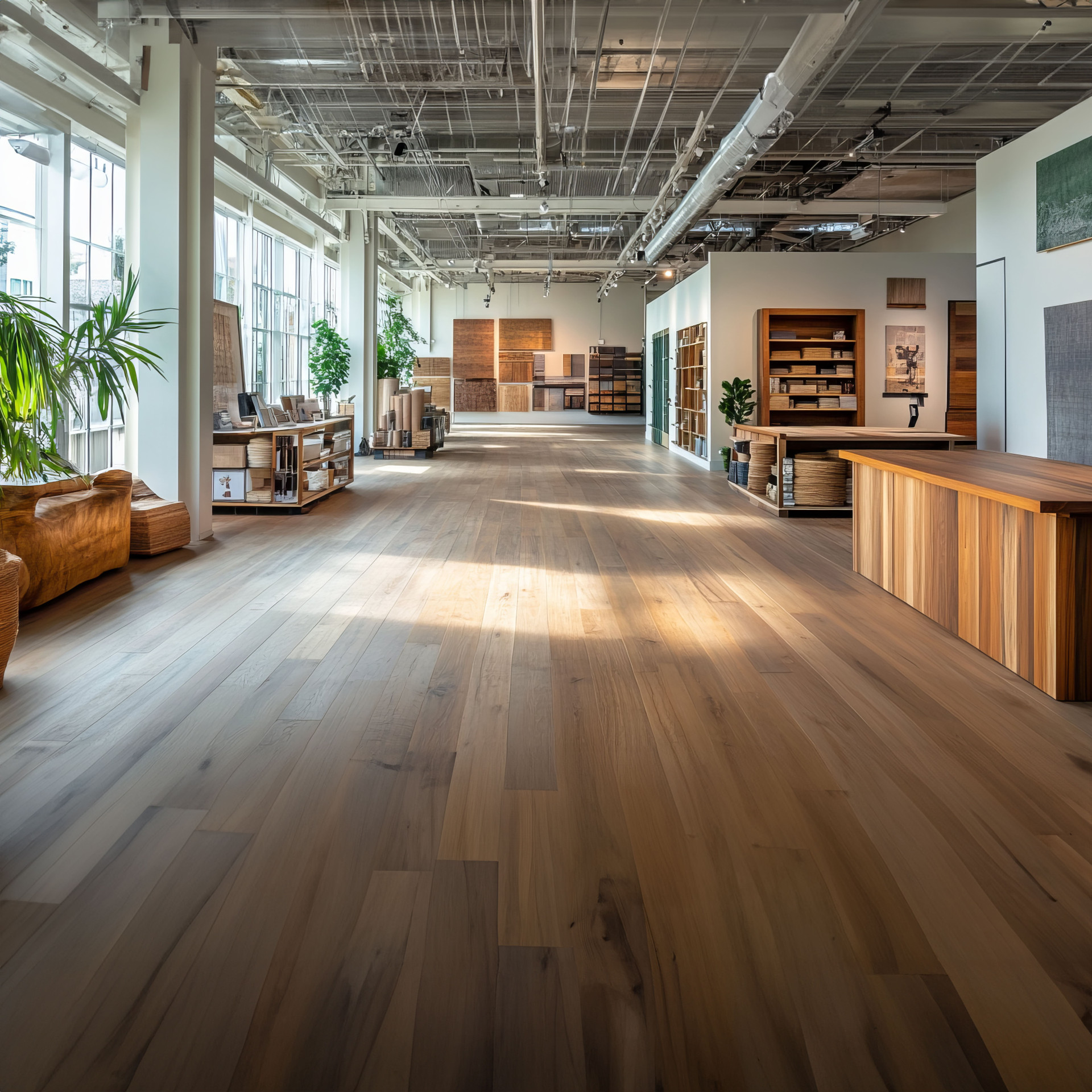
In the development of any architectural project, selecting the right flooring is a critical decision. Floors not only define the aesthetic of a space, but also influence its durability, maintenance, and performance under daily use.
In commercial, hospitality, or corporate projects—where foot traffic is constant—choosing the right material can make the difference between a space that remains in excellent condition for years and one that requires frequent replacement.
Among the most widely used solutions in interior architecture today are SPC, WPC, and PVC flooring—three versatile options that combine design, durability, and ease of installation. Understanding their characteristics allows you to select the best alternative based on your project’s needs.
PVC: Versatility and Design for Multiple Applications
PVC (vinyl) flooring has become one of the most commonly used solutions in interior projects thanks to its balance of aesthetics, functionality, and ease of maintenance.
Its main advantages include:
- A wide variety of designs and finishes.
- Comfortable underfoot.
- Good resistance to wear.
- Easy cleaning and maintenance.
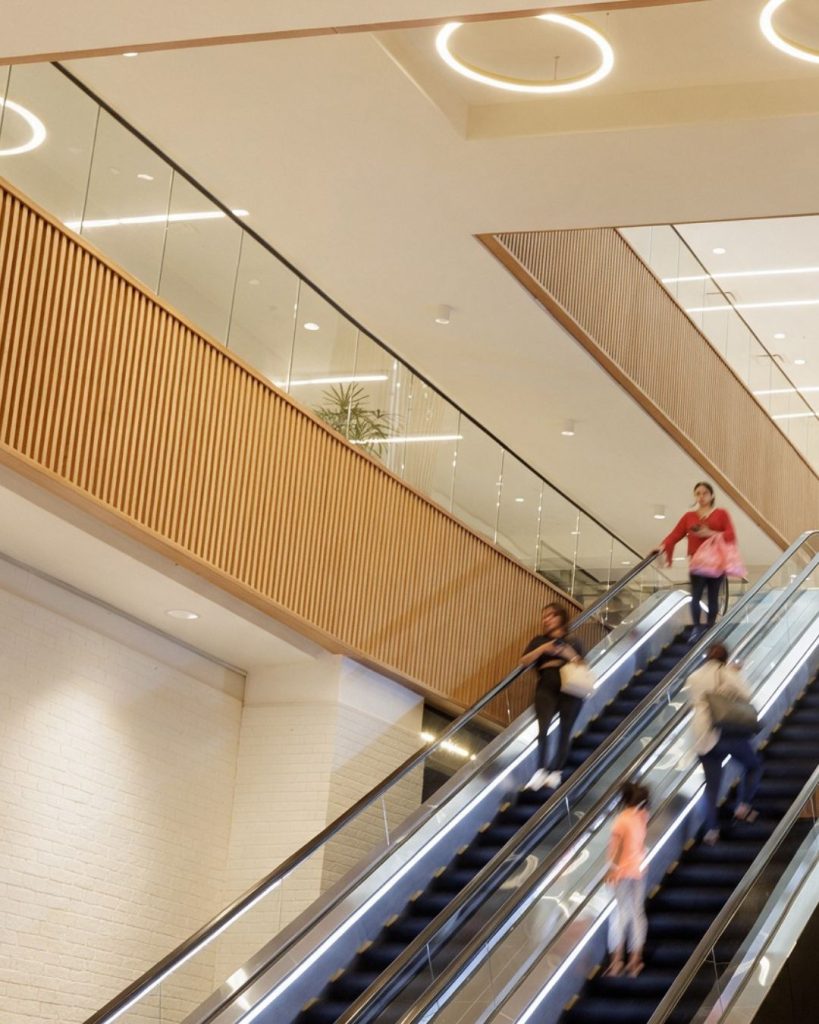
Because of these features, PVC is often used in spaces such as offices, retail environments, and commercial projects where a functional solution with design flexibility is required.
WPC: Comfort and Stability
WPC (Wood Plastic Composite) combines wood fibers with polymers to create a more stable and comfortable flooring option.
This type of flooring is characterized by:
- Enhanced thermal and acoustic comfort
- Good stability under temperature changes
- Easy installation
- A warm, wood-like appearance
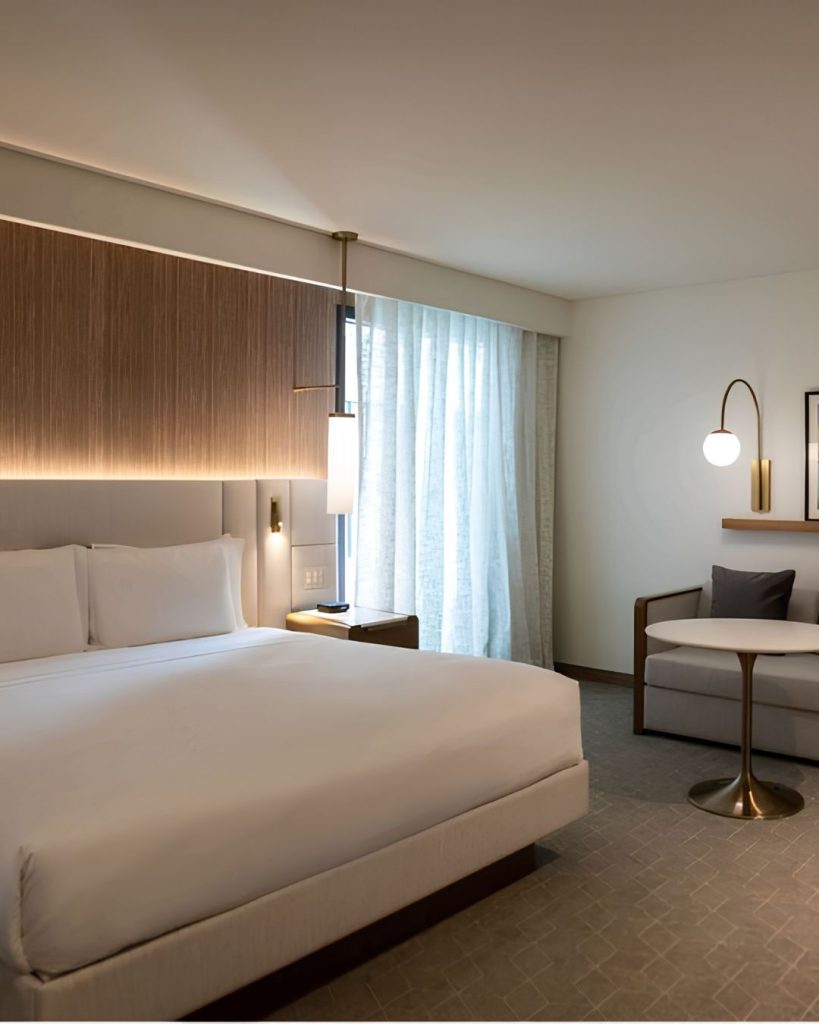
Due to its comfort and natural look, WPC is commonly used in residential projects, hospitality spaces, and environments where a warm and inviting atmosphere is desired.
SPC: Maximum Durability for High-Traffic Areas
SPC (Stone Plastic Composite) is one of the most advanced solutions in vinyl flooring. Its rigid core with a mineral base provides superior resistance to wear and moisture.
Key benefits include:
- High resistance to heavy foot traffic.
- Excellent structural stability.
- Strong moisture resistance.
- Easy maintenance.
These features make SPC an ideal choice for commercial projects, hotels, restaurants, and spaces where durability is a top priority.
How to Choose the Right Flooring for Your Project
Selecting the ideal flooring depends on several factors that should be evaluated from the design stage:
- Level of foot traffic.
- Moisture and temperature conditions.
- Acoustic requirements.
- Interior design concept and aesthetics.
- Long-term maintenance needs.
Each material offers specific advantages, so choosing the right option helps optimize both the user experience and the lifespan of the installation.
The Right Material Elevates the Entire Project
Flooring is one of the elements that has the greatest impact on how a space is perceived. In addition to contributing to the design’s character, it must meet the technical demands of the environment where it is installed.
Choosing high-performance materials ensures that spaces not only look great on opening day, but also maintain their quality and appearance over time.
Find the Ideal Solution for Your Project
At Crossway, we offer flooring solutions such as SPC, WPC, and PVC, designed to meet the demands of contemporary architectural projects—from commercial spaces to hospitality developments.
If you are developing a project and need guidance in selecting the right material, our team can help you find the solution that best fits your requirements.
Learn more about our solutions or contact us at:
https://crosswaycorp.com/