




WPC in Modern Architecture: Beauty, Durability, and Low Maintenance
Modern architecture is increasingly focused on finding the right balance between aesthetics, performance, and longevity. Materials are expected not only to look beautiful, but also to withstand everyday use, changing weather conditions, and the demands of contemporary spaces.
Wood Plastic Composite, commonly known as WPC, offers a versatile solution that combines the warm appearance of wood with the performance advantages of composite materials.
The Warmth of Wood, Reimagined
Wood has long been valued in architecture for its natural texture, warmth, and ability to create inviting spaces. However, natural wood can require regular maintenance, particularly when exposed to exterior conditions.
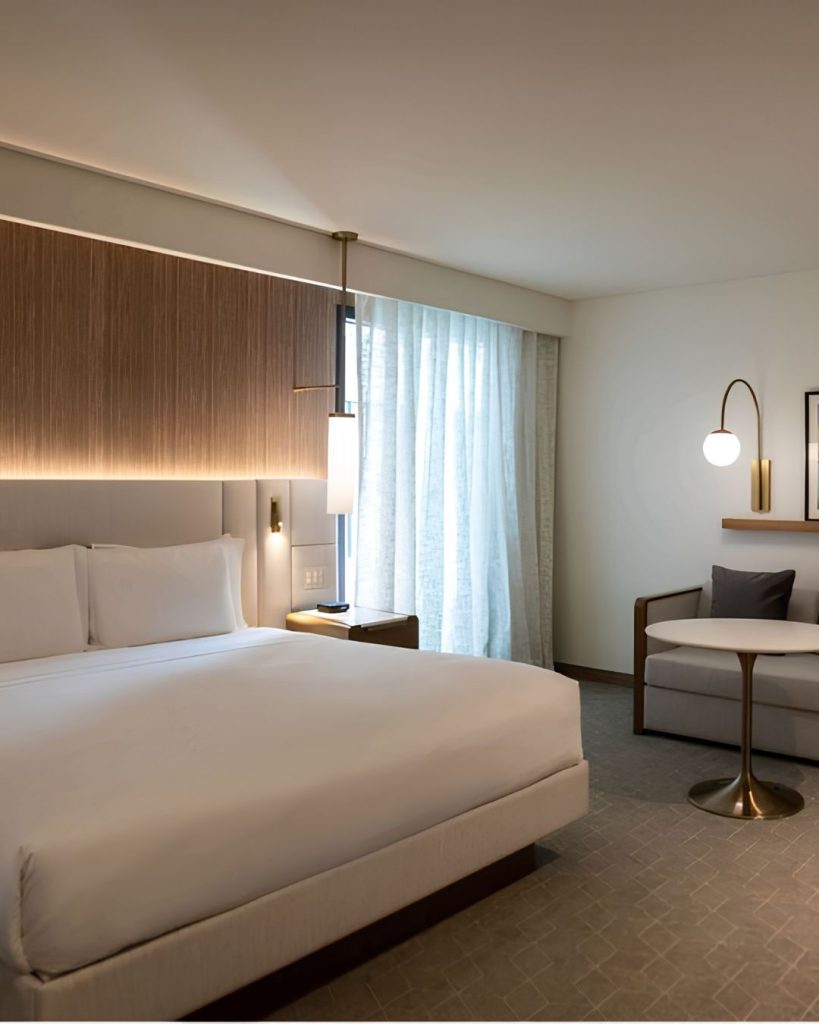
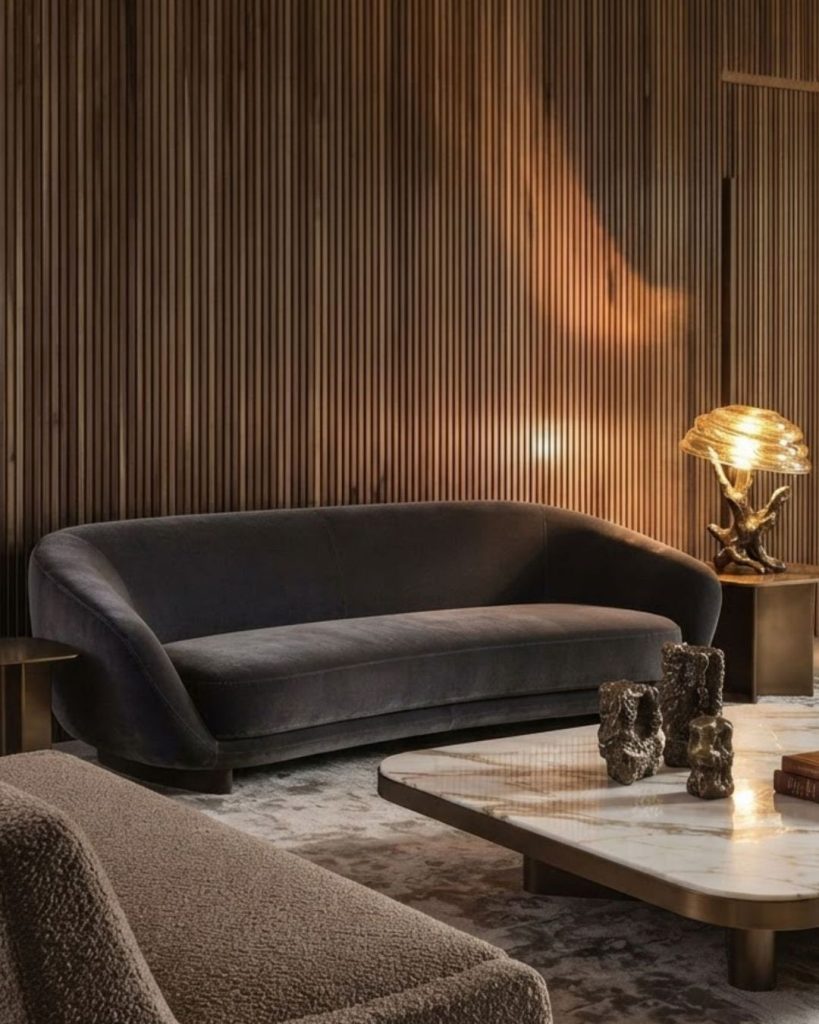
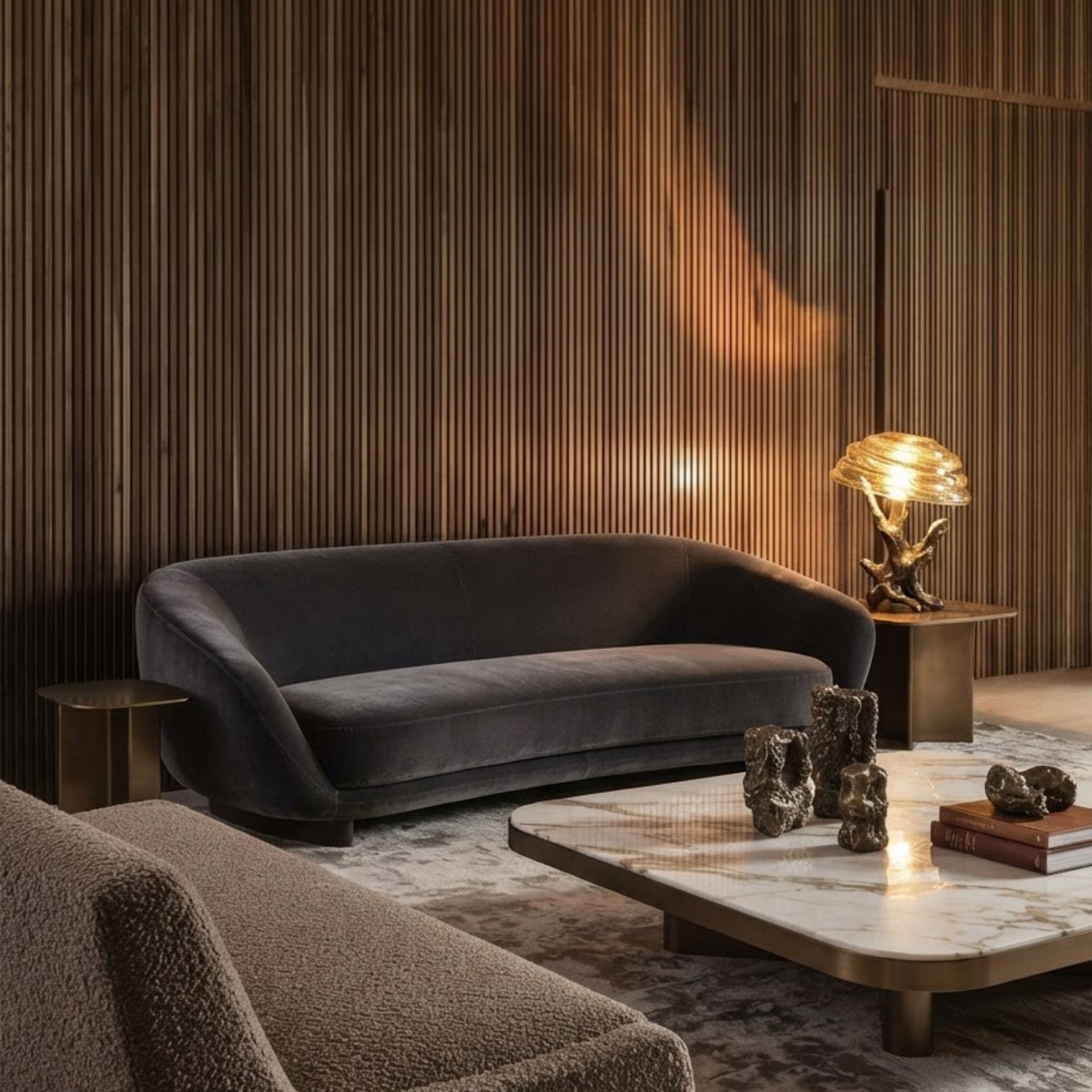
WPC provides an alternative for projects seeking a wood-inspired aesthetic with reduced maintenance requirements. Available in a variety of tones, textures, profiles, and finishes, WPC can complement both contemporary and more natural design palettes.
Designed for Durability
Material performance becomes especially important in exterior and high-use applications.
WPC products are designed to offer resistance to many of the conditions that can affect traditional materials, making them suitable for applications such as façades, wall cladding, ceilings, terraces, and other architectural features.
Its durability can help maintain a consistent appearance over time while reducing the need for frequent refinishing or intensive upkeep.
Low Maintenance, Long-Term Value
One of the main advantages of WPC is its relatively simple maintenance.
Unlike natural wood, which may require periodic staining, sealing, or refinishing depending on its application and exposure, WPC systems are designed to maintain their finish with less ongoing intervention.
For residential, commercial, and hospitality projects, this can translate into a practical material solution that considers not only initial design intent, but also the long-term operation of the space.
Versatility in Modern Design
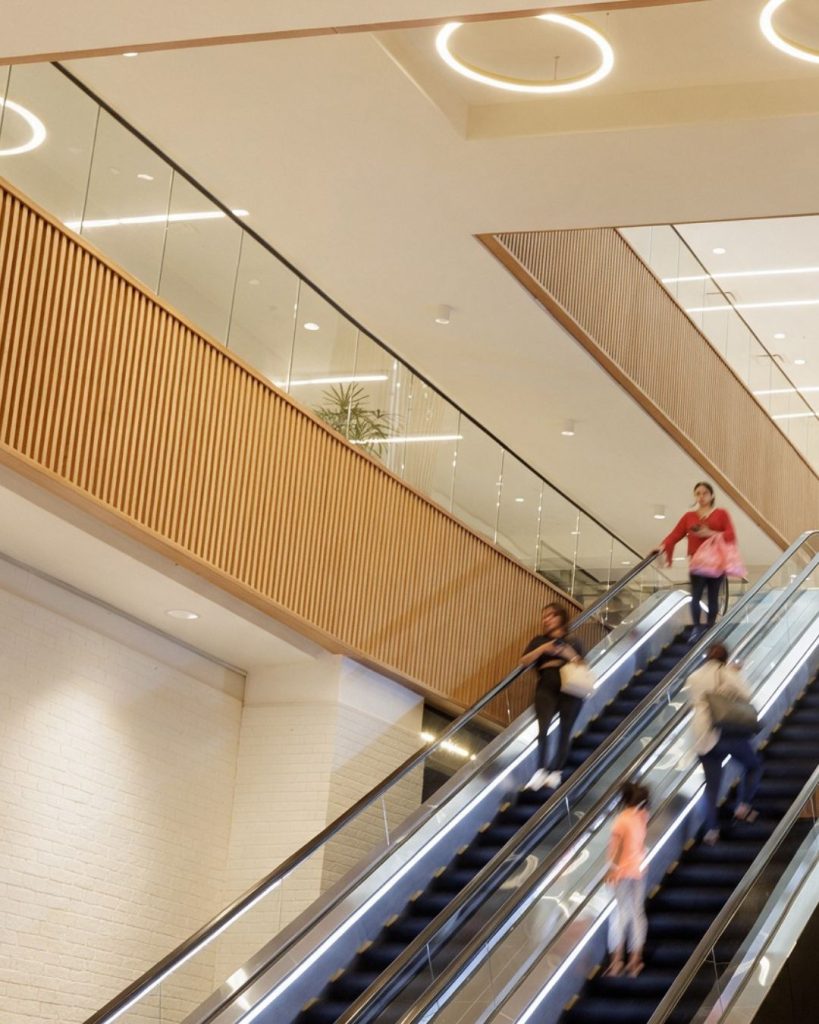
WPC can be used as more than a surface finish. Different profiles, orientations, colors, and installation patterns allow designers to introduce texture, rhythm, depth, and visual continuity throughout a project.
Vertical applications can emphasize height, while horizontal compositions can visually extend a surface. WPC can also be paired with materials such as glass, metal, stone, and concrete to create contrast while maintaining warmth within a contemporary architectural language.
A Balance Between Beauty and Performance
The best material choices consider how a space will look, feel, perform, and age.
WPC offers designers and property owners an opportunity to introduce the character of wood into modern architecture while benefiting from the durability, versatility, and lower maintenance associated with composite materials.
At Crossway, we believe materials should support both the architectural vision and the way a space is experienced over time. With multiple profiles, textures, and finishes available, WPC systems provide flexible possibilities for creating distinctive interior and exterior environments.