




Materials That Elevate Interior Design: Textured Woods, Vintage Mirrors, and Mesh Glass

In contemporary interior design, certain materials have the power to transform a space without the need for major interventions. They don’t just decorate—they tell stories, add depth, and connect environments through sensations that go beyond the visual. Among them, three have become favorites of architects and designers alike: textured woods, vintage mirrors, and mesh glass..
Each brings its own distinctive aesthetic, but together they create a rich creative universe for residential, commercial, and hospitality projects.
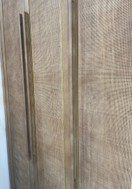
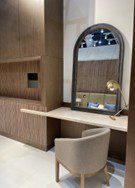
Textured Woods: Nature in Relief
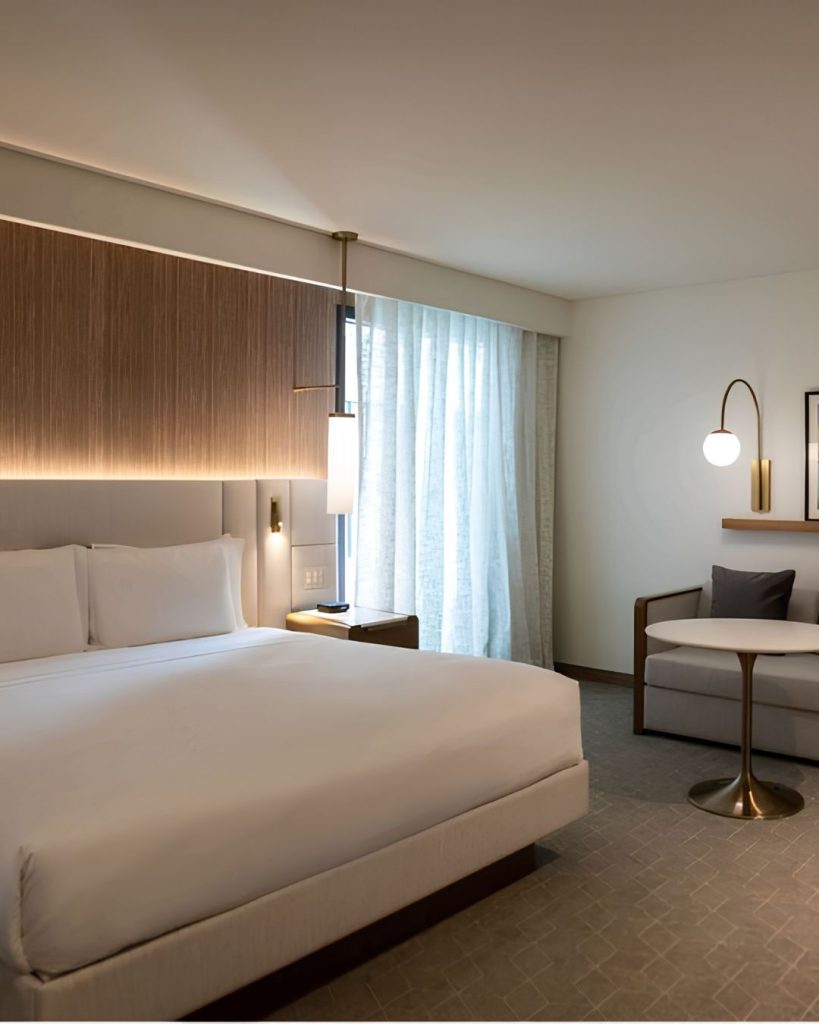
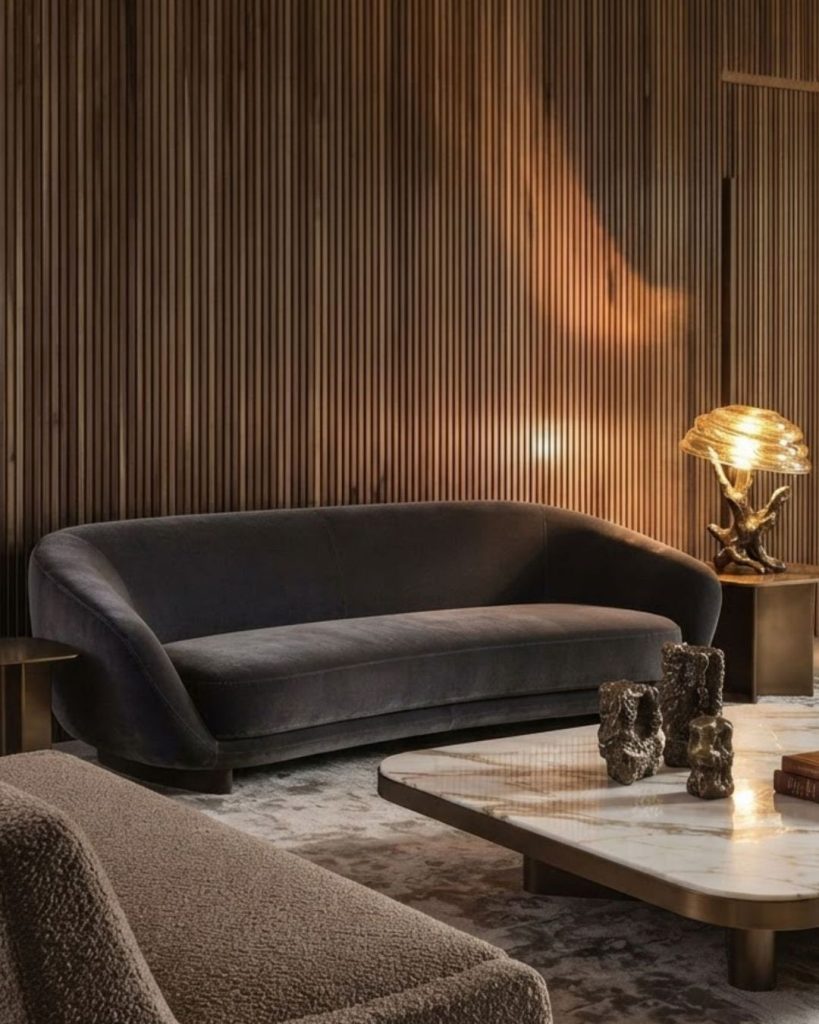
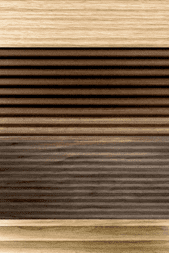
Textured woods are a reminder that nature is never flat. Their pronounced grain, relief, and tonal variations add depth and warmth, creating immersive spaces that feel alive. This type of wood captures light differently, producing soft shadows and visual movement that smooth surfaces simply can’t achieve.
Beyond their beauty, textured woods are highly versatile. They work seamlessly in minimalist environments, integrate naturally into rustic concepts, and add refinement to contemporary spaces.
Where textured woods shine:
- Accent walls in living rooms, bedrooms, or reception areas
- Custom-made furniture
- Acoustic panels that combine aesthetics with sound absorption
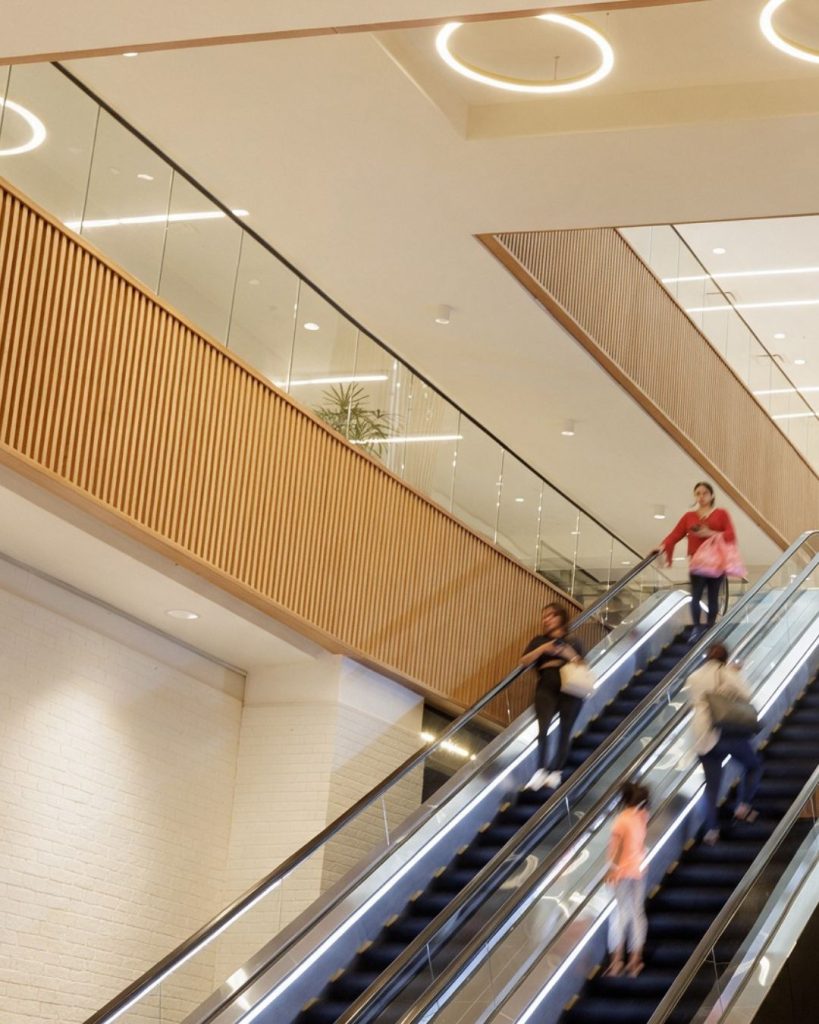
- Wall cladding for restaurants, hotels, and offices
Their presence adds an emotional layer to design, making spaces feel more tactile, more welcoming, and more human.
Learn more solutions at www.crosswaycorp.com
Vintage Mirrors: The Aesthetic of Time
A vintage mirror is more than a reflection. Its weathered tones, fragmented shine, and aged appearance create an atmosphere that blends nostalgia with sophistication. This finish acts as a bridge between classic and contemporary design, adding character without making a space feel dated.
When strategically incorporated, vintage mirrors visually expand small areas, amplify natural light, and effortlessly become a focal point.
Transformative applications include:
- Decorative walls that add depth.
- Backdrops for hotels, restaurants, or bars
- Closet doors, display cases, and furniture.
- Artistic compositions in boutique projects.
Their versatility makes them an essential tool for designers seeking to add character without overwhelming a space.
Mesh Glass: Structural Lightness with Presence
Mesh glass combines the transparency of glass with the visual strength of a metal mesh encapsulated within it. The result is a material that brings light, geometry, and a subtle industrial aesthetic.
Unlike traditional glass, mesh glass doesn’t just separate spaces—it defines them. It allows privacy without completely blocking visibility and adds texture while maintaining the lightness of glass.
Value-adding uses include:
- Interior partitions that preserve an open feel
- Sliding doors and decorative panels
- Applications in lobbies or reception areas for a refined look
- Architectural elements that emphasize modernity and visual order
Its presence creates a balance between transparency and structure, making it an ideal resource for contemporary projects. Explore more materials here.
Materials That Build Identity
Textured woods, vintage mirrors, and mesh glass enrich spaces beyond their functional role. They invite touch, observation, and a deeper sensory connection to the environment. When combined, they create a visual language that blends nature, history, and modernity.
Interior design is not just about aesthetics—it’s about experience. And these materials provide the foundation for creating truly memorable spaces.
Ready to Transform Your Project with Premium Materials?
At www.crosswaycorp.com, we design, manufacture, and supply solutions that elevate architectural experiences through aesthetics, durability, and expert support.