




The Power of Contrast Between Materials
The most memorable architectural projects rarely rely on a single material. The richness of a space often emerges from the dialogue between different textures, surfaces, and finishes.
Combining materials such as wood, stone, metal, or glass allows for the creation of environments with greater visual depth, character, and personality. Beyond aesthetics, contrast between materials also serves a technical purpose: improving durability, optimizing maintenance, and addressing the different functional needs of a project.
In contemporary architecture, design is no longer about selecting one dominant material, but about building an experience through the right combination of surfaces.
Wood and Stone: Balancing Warmth and Strength
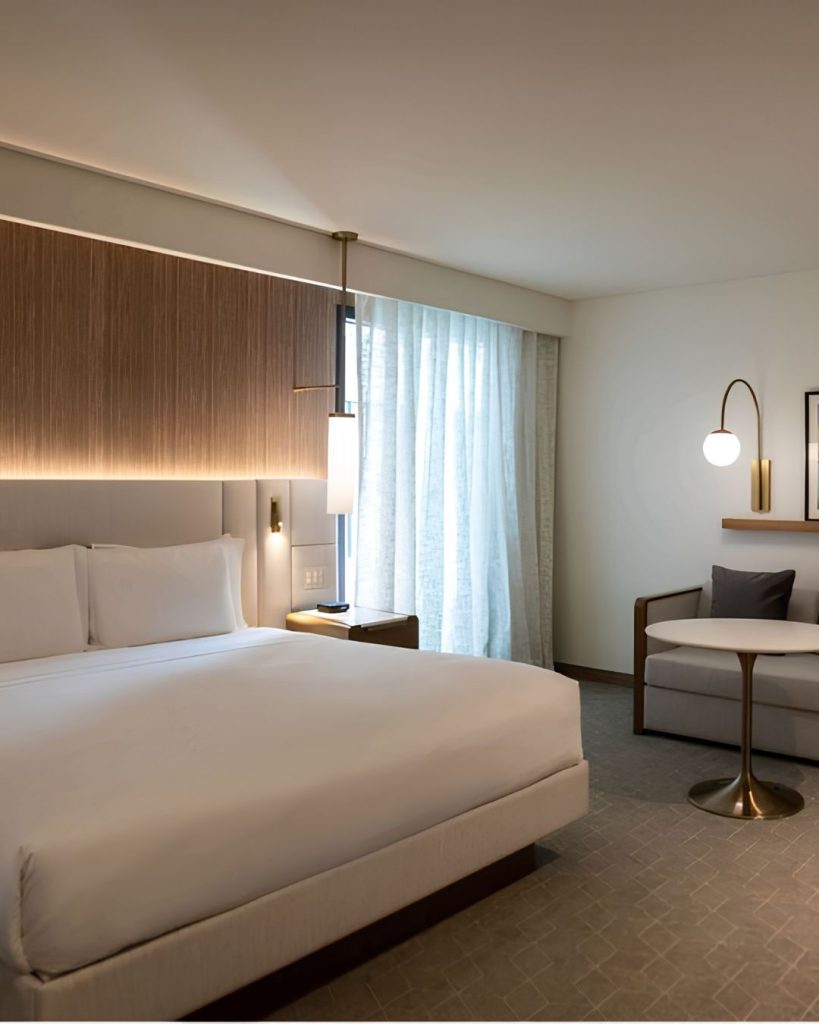
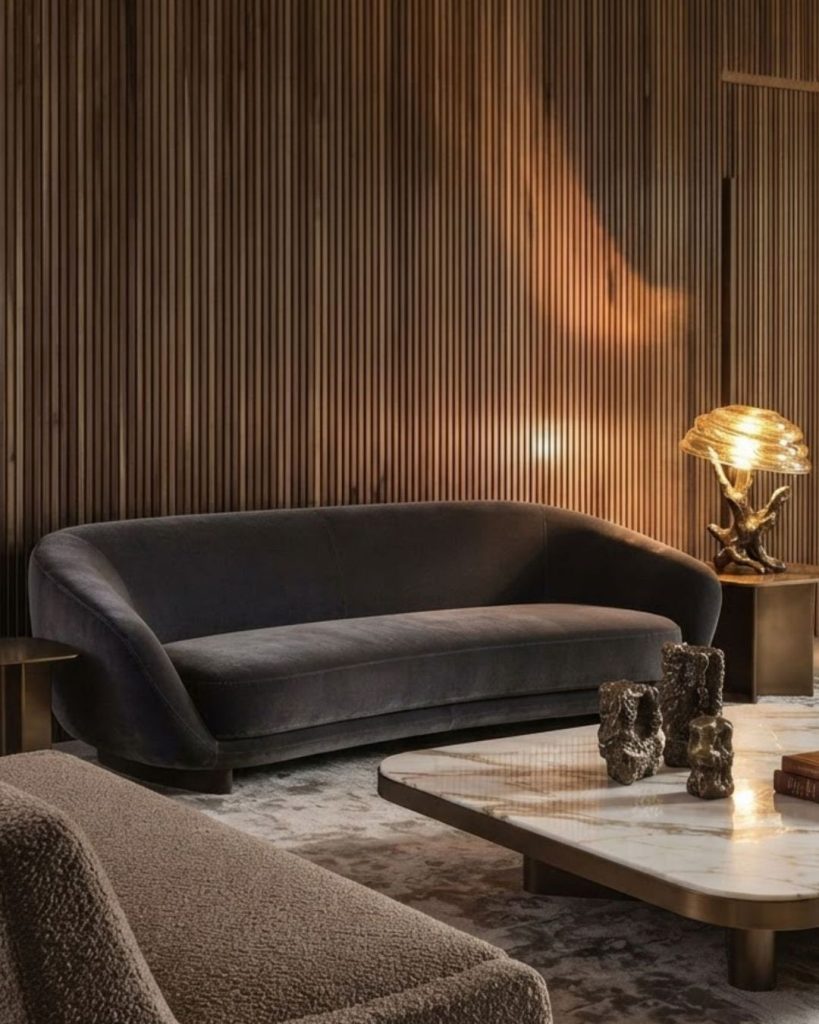
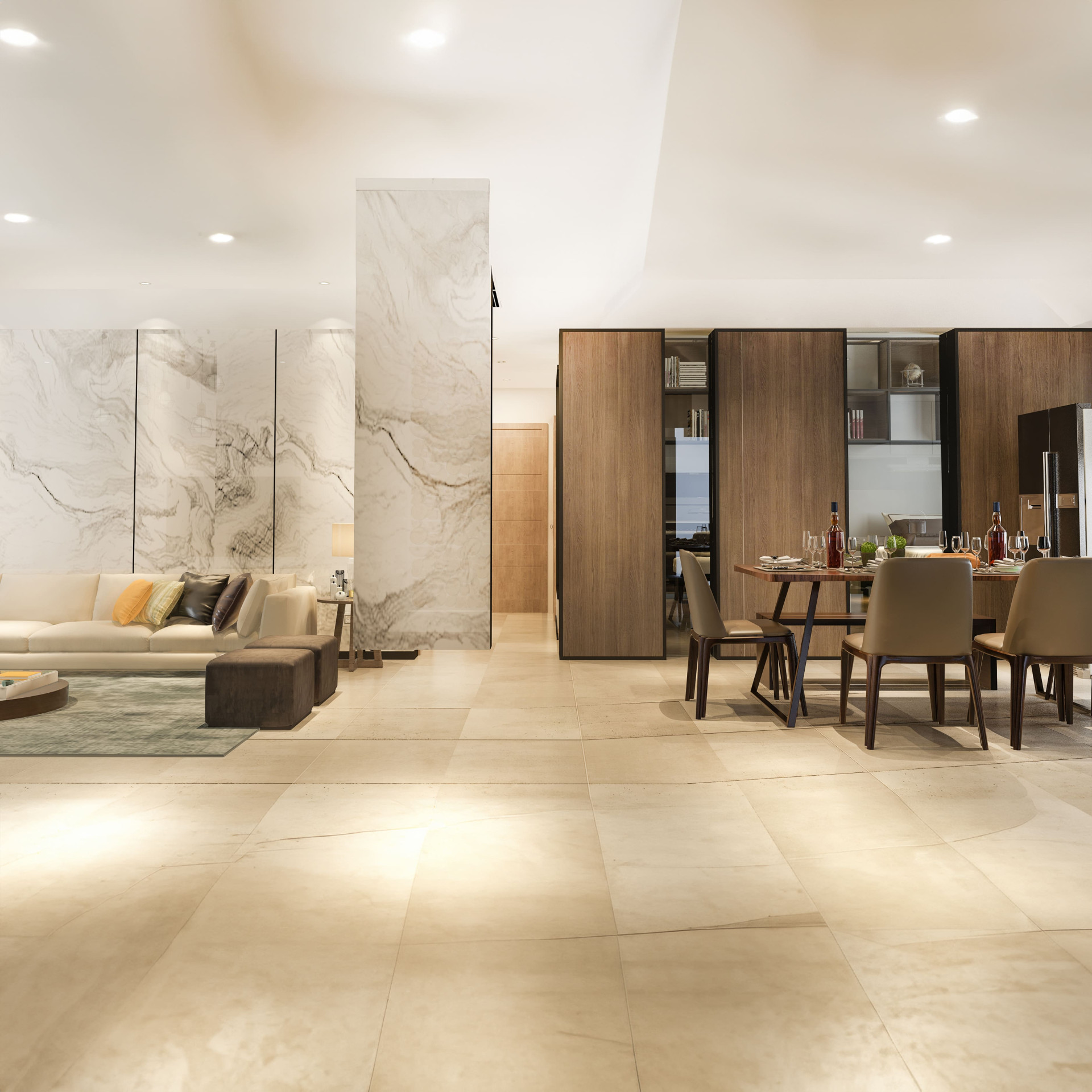
One of the most widely used contrasts in architecture is the combination of wood and stone. While wood brings warmth, natural appeal, and a welcoming feel, materials such as marble, quartz, or mineral surfaces introduce a more solid and sophisticated presence.
This combination is commonly used in:
- Hotels
- Residential spaces
- Restaurants
- Shared building areas
The result is a balance between the natural and the structural, adding elegance without sacrificing comfort.
Metal and Glass: Lightness and Modernity
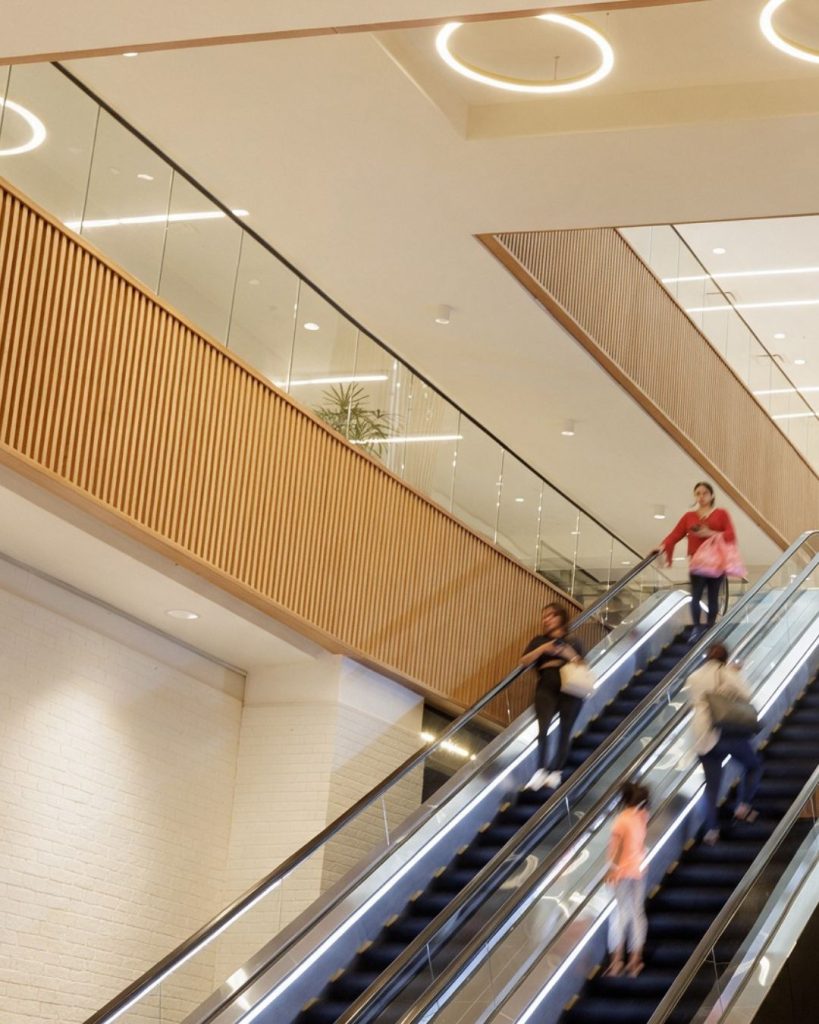
Metal and glass have become key elements in contemporary design. Their combination allows for the creation of more open, brighter, and visually lighter spaces.
Elements such as metal structures, glass panels, partitions, or architectural dividers help define spaces without blocking light or overloading the design.
This type of contrast is especially common in:
- Corporate offices
- Commercial spaces
- Contemporary hotels
- Modern interior architecture projects
Glass provides transparency and a sense of openness, while metal adds precision, structure, and character.
Concrete and Textiles: Balancing Industrial and Sensory Elements
Another growing trend in interior architecture is the combination of more industrial-looking surfaces, such as concrete or mineral finishes, with softer materials like fabrics or architectural textiles.
This contrast helps balance the overall aesthetic of a space:
- Concrete adds a contemporary, industrial character
- Textiles soften the perception of the environment
- The combination creates more comfortable and livable spaces
This approach is common in hospitality projects, restaurants, and workspaces where both design and comfort are essential.
The Value of Contrast in Architectural Design
When materials are combined strategically, a space gains depth and personality. Textures help create visual hierarchy, highlight key design elements, and enhance the overall user experience.
Materials such as wood, marble, quartz, metal, glass, concrete, mirrors, and textiles can work together to create balanced, functional, and visually compelling spaces.
Rather than choosing a single material, the challenge of contemporary design lies in finding the right combination for each project.
Designing Spaces Through Materials
At Crossway, we work with a wide selection of architectural materials that allow us to develop tailored solutions for different types of projects, from hospitality and commercial spaces to residential and corporate developments.
Our team supports architects and developers in material selection and in integrating solutions that add value to both the design and functionality of each space.
If you are developing a project and need guidance in choosing the right combination of materials, our team can help you find the ideal solution.
Learn more about our solutions or contact us at:
https://crosswaycorp.com/