




The Sustainability of Sintered Stone: Beauty that Respects the Environment
In an increasingly environmentally-conscious world, sintered stone stands out not only for its beauty and durability but also for its commitment to sustainability. Discover how this revolutionary material positively contributes to the planet and why you should consider it for your next design project.
What is Sintered Stone?
Sintered stone is a material produced through an eco-friendly process using natural minerals like clay, quartz, and feldspar. Advanced technologies minimize environmental impact, making it a highly sustainable product.
Sustainable Features of Sintered Stone
1. Eco-Friendly Production Process
The manufacturing of sintered stone employs advanced techniques significantly reducing water and energy consumption, thereby lowering its carbon footprint compared to similar materials.
2. Natural and Recyclable Composition
Composed of 100% natural minerals, sintered stone is fully recyclable at the end of its lifecycle, preventing waste and promoting a circular economy.
3. Low Volatile Organic Compounds (VOC) Emission
This material does not release harmful volatile organic compounds, contributing to healthier indoor environments and reducing air pollution.
4. Longevity and Low Maintenance
Its remarkable durability eliminates frequent replacements, further reducing environmental impact. Additionally, its easy maintenance minimizes the need for harsh chemical cleaners.
Sustainable Applications of Sintered Stone
- Green Construction: Ideal for projects aiming for environmental certifications such as LEED or BREEAM.
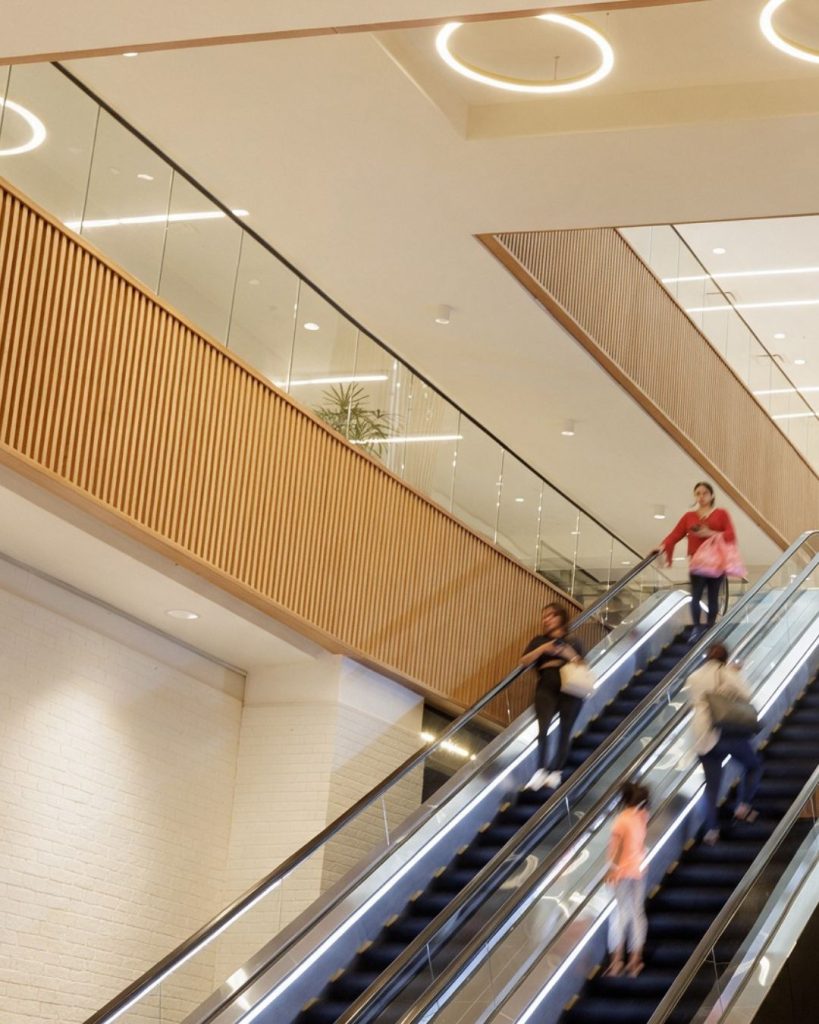
- Residential and Commercial Spaces: Valued for its safety, durability, and minimal environmental impact.
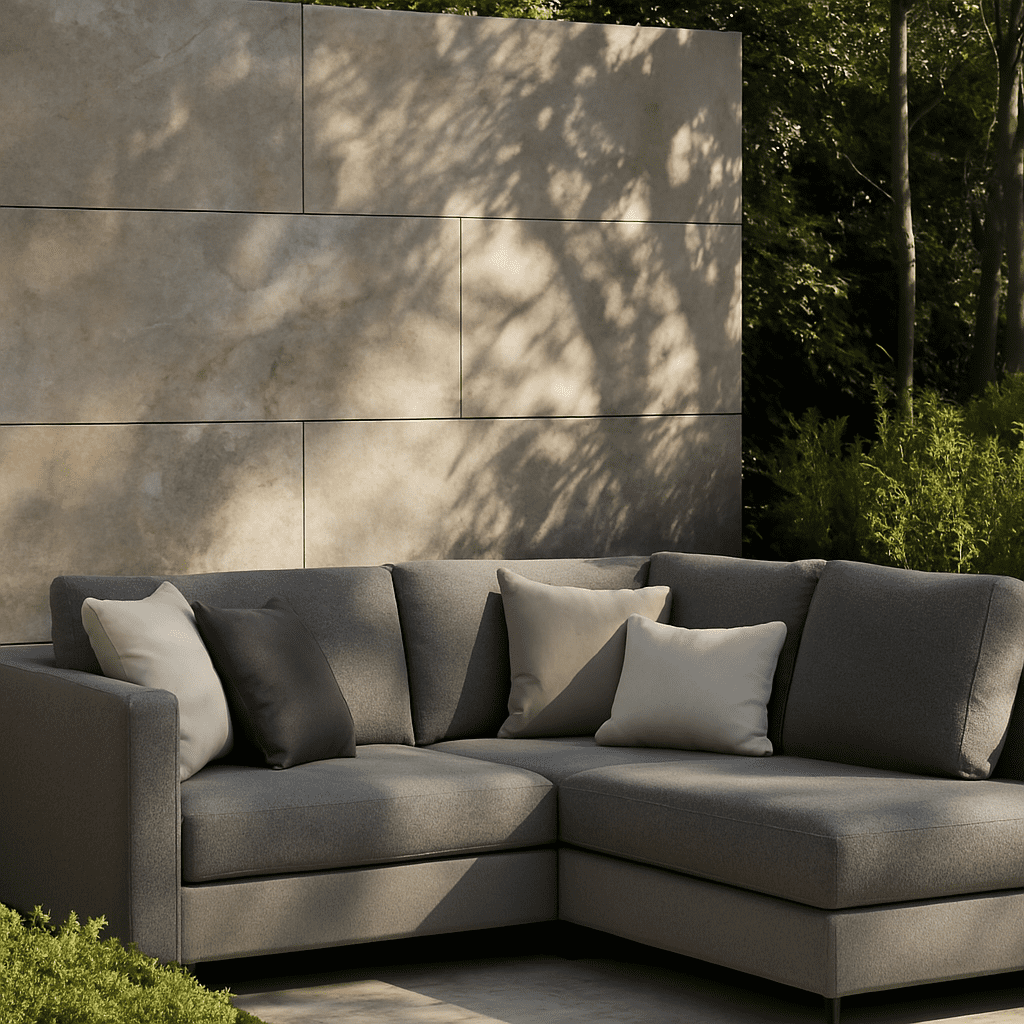
- Exterior Architecture: Ventilated facades and terraces that promote energy efficiency.
Why is Sintered Stone the Greenest Option?
Choosing sintered stone means committing to sustainable design without sacrificing quality or aesthetics. Its eco-friendly properties make it a standout compared to conventional materials, setting trends in green construction.
Frequently Asked Questions
Does sintered stone contribute to environmental certifications?
Yes, using sintered stone can contribute additional points towards certifications like LEED due to its low environmental impact.
Is it considered a healthy material for interiors?
Absolutely. Its low VOC emissions make it an excellent choice for healthy indoor environments.
Does it truly last longer than traditional materials?
Yes, its exceptional durability reduces the frequency of replacement, significantly contributing to sustainability.
Choosing sintered stone not only enhances the aesthetics of your spaces but also strengthens your commitment to a more sustainable and environmentally conscious future.